

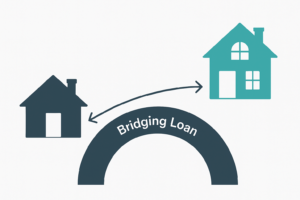
A Simple Guide to Buying Before You Sell
Bridging finance, or a bridging loan, is a short-term home loan that helps you purchase a new property before your existing one has sold. It’s designed to “bridge the gap” during the transition period, giving you the flexibility to move without waiting for settlement on your current home.
This type of finance is particularly useful in a competitive property market where timing matters. Sellers often want unconditional offers, and buyers don’t always have months to coordinate a sale before securing their next home.
What Is Bridging Finance?
Bridging finance allows you to proceed with the purchase of your new property while still owning your current one. Instead of paying for both homes out of pocket, the lender temporarily tops up your borrowing so you can complete the new purchase.
Once your existing home sells, the proceeds are used to reduce your overall loan balance. At that point, your loan normally reverts back to a standard home loan structure.
How Does Bridging Finance Work?
With bridging finance, your lender calculates what’s called your peak debt, which is the total amount borrowed during the overlap period.
Peak debt includes:
-
Existing home loan balance
-
Purchase price of the new property
-
Purchase costs (stamp duty, legal, etc.)
-
Any renovation or moving funds borrowed, if applicable
Once your current property is sold, the net proceeds are applied to reduce peak debt. You then continue with a regular home loan based on the remaining balance.
Typical Bridging Loan Terms
-
Short-term only: usually 6 to 12 months
-
Interest charged during the entire bridging period
-
Repayments may be interest-only or capitalised to ease cash flow pressure
Bridging Finance Interest Rates
Interest rates for bridging finance are generally higher than standard variable home loan rates because the lending is short term and based on property sale timing.
What to Expect
-
Rates are commonly higher than traditional mortgages
-
Some lenders capitalise interest (add it to the loan amount rather than charging monthly), helping manage cash flow
-
Comparison rates should always be checked, as fees and interest accrual heavily influence total cost
Factors That Influence Your Bridging Interest Rate
-
Amount of existing equity
-
Saleability of the current home
-
Borrower profile and credit strength
-
Timing expectations for sale
-
Loan structure and LVR (loan-to-value ratio)
Benefits of Bridging Finance
1. Buy Without Waiting
You can secure a property you love without needing to wait for your current home to sell.
2. Avoid Renting & Storage Costs
There’s no need for temporary accommodation, storage, or multiple moves.
3. Interest-Only Option
Many lenders allow interest-only terms to keep costs manageable during the bridging period.
4. Faster Negotiation Power
Unconditional timing can make your offer stronger and more attractive to sellers.
Risks and Considerations
1. Higher Interest Costs
Because it’s short-term lending with more risk to the lender, bridging loans usually sit above standard interest rates.
2. Property Sale Risk
If your current home takes longer to sell than expected, you may:
-
Extend the loan term
-
Pay more interest than budgeted
-
Strain cash flow when peak debt continues
3. Two Properties, One Debt Load
It is still a form of dual-property financing until the first sale completes.
4. Fees and Settlement Costs
These may include:
-
Application or establishment fees
-
Discharge or early payout fees
-
Valuations for both properties
-
Legal costs
How Long Do You Have to Sell?
Most lenders expect you to sell within 6 to 12 months. While extensions are possible, they typically require reassessment and additional interest.
Who Is Bridging Finance Best For?
You may benefit if you:
-
Have strong equity in your current property
-
Are confident your property will sell within 6–12 months
-
Want certainty of securing a new home before selling
-
Prefer to avoid interim renting or relocation stress
It may not suit you if:
-
Your property could take extended time to sell
-
You have tight cash flow
-
You prefer the lowest-cost borrowing structure overall
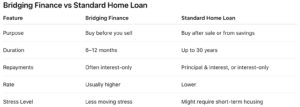
Bridging Finance vs Standard Home Loan
Final Thoughts
Bridging finance is a powerful solution when moving homes, especially if you want to secure the next property without timing pressure. It provides flexibility during what is often a stressful transition but comes with higher interest costs and reliance on timely sale outcomes.
Before committing, consider:
-
Current equity
-
Market conditions
-
Expected sale timeline
-
Interest and fee impact during the bridging period
Speaking with a mortgage broker can help you run comparison figures and decide whether a bridging finance structure works for your goals.
Our Reviews
We pride ourselves on being brokers you can actually trust, from the initial consultation through to annual reviews that we perform years after your settlement, our tailored services and relationship focus is built to last.
Need proof that we are one of Melbourne’s best mortgage brokerages? Don’t just take our word for it – we have hundreds of positive Google reviews from real clients so you can rest assured you’re making the right choice with choosing Find A Better Rate Home Loans.
Frequently Asked Questions

Get in Touch
98% Approval Rate
18 Years Experience
18 Years Experience
98% Approval Rate
Latest Articles from Find A Better Rate
-
Is Refinancing Still Worth It in 2026? | Australia Guide
A Practical Australian Guide to Refinance Decisions Refinancing a home loan has never been just about chasing the lowest interest rate. It is a decision that involves costs, loan structure, lender rules, and your personal plans. In 2026, many Australian borrowers are reviewing loans taken out in a very different rate environment. At the same…
-
Aussie home owners just got $82,000 richer on average
What a way to start the new year! After a strong 12 months in the property market, plenty of homeowners around the nation are now a whole lot wealthier. And their newfound increase in home equity has opened up some exciting possibilities for 2026. Your home isn’t just a place to live in, it could…
-
Happy New Year! Let’s discuss some potential 2026 goals
There’s nothing quite like a New Year’s resolution to fire you up for another lap around the sun. Whether you’re looking to buy your first home, save on your mortgage, or leverage the equity in your current position, here are three resolutions to consider for 2026. So long, 2025 … You know what? We’ve got…



-
Is Refinancing Still Worth It in 2026? | Australia Guide
A Practical Australian Guide to Refinance Decisions Refinancing a home loan has never been just about chasing the lowest interest rate. It is a decision that involves costs, loan structure, lender rules, and your personal plans. In 2026, many Australian borrowers are reviewing loans taken out in a very different rate environment. At the same…
-
Aussie home owners just got $82,000 richer on average
What a way to start the new year! After a strong 12 months in the property market, plenty of homeowners around the nation are now a whole lot wealthier. And their newfound increase in home equity has opened up some exciting possibilities for 2026. Your home isn’t just a place to live in, it could…
-
Happy New Year! Let’s discuss some potential 2026 goals
There’s nothing quite like a New Year’s resolution to fire you up for another lap around the sun. Whether you’re looking to buy your first home, save on your mortgage, or leverage the equity in your current position, here are three resolutions to consider for 2026. So long, 2025 … You know what? We’ve got…
-
Season’s greetings! Here’s to a well-earned summer break
As the Christmas and New Year’s festive season rolls around, we want to take a moment to sincerely thank you for your trust and support throughout 2025. Fortunately, we had a bit more to smile about this year, with three RBA rate cuts and national property prices increasing by 8.7%. That said, 2025 wasn’t without its…

-
Is Refinancing Still Worth It in 2026? | Australia Guide
A Practical Australian Guide to Refinance Decisions Refinancing a home loan has never been just about chasing the lowest interest rate. It is a decision that involves costs, loan structure, lender rules, and your personal plans. In 2026, many Australian borrowers are reviewing loans taken out in a very different rate environment. At the same…
-
Aussie home owners just got $82,000 richer on average
What a way to start the new year! After a strong 12 months in the property market, plenty of homeowners around the nation are now a whole lot wealthier. And their newfound increase in home equity has opened up some exciting possibilities for 2026. Your home isn’t just a place to live in, it could…
Secure Competitive Home Loan Rates with Trusted Mortgage Lenders
Select from 35+ Trusted Lenders and Tailored Home Loan Solutions